The Cultural Side of Recovery Why Mental Health Support Looks Different for Everyone
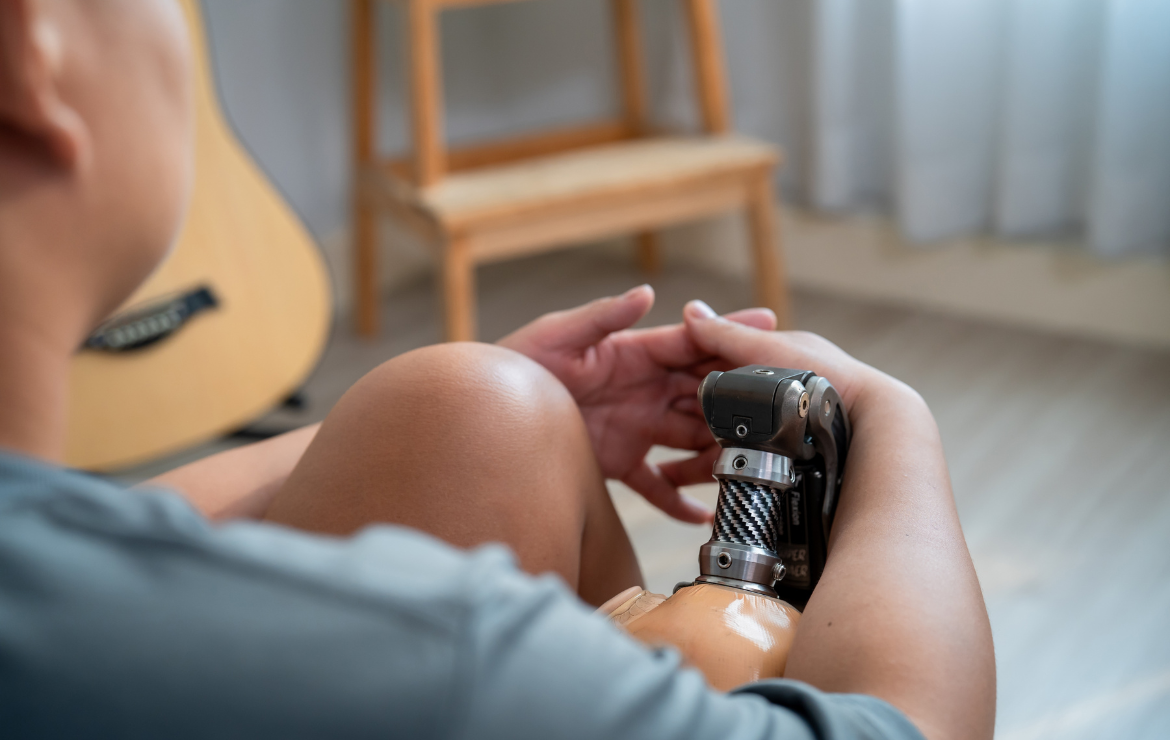
When someone experiences limb loss, the physical injury is only part of the story.
Recovery is also emotional, social, and deeply personal. Mental health, family dynamics, cultural beliefs, and personal identity can all influence how an injured worker responds to care, support services, and recovery expectations.
And sometimes, those differences can impact the entire direction of a claim.
Mental Health Is Viewed Differently Across Cultures
In some cultures, openly discussing mental health is encouraged. In others, emotional struggles may be viewed as private or something that should be handled within the family.
Because of this, some injured workers may:
- Avoid discussing emotional challenges
- Decline counseling or peer support
- Minimize pain or stress
- Focus only on returning to work
- Feel uncomfortable asking for help
This does not necessarily mean the individual is disengaged or unwilling to recover.
In many cases, it simply reflects a different perspective on emotional health and support.
Family and Community Can Influence Recovery
For many injured workers, recovery decisions are not made alone.
Family expectations, religious beliefs, and community support systems may all influence:
- Medical decisions
- Prosthetic acceptance
- Return-to-work readiness
- Emotional adjustment
Some families become heavily involved in the recovery process, while others may encourage the injured worker to remain independent and private about their struggles.
Understanding those dynamics can help improve communication and reduce misunderstandings during a claim.
The Emotional Meaning of Limb Loss Can Vary
Limb loss may affect individuals differently based on:
- Cultural background
- Personal identity
- Gender roles
- Work responsibilities
- Social perceptions of disability
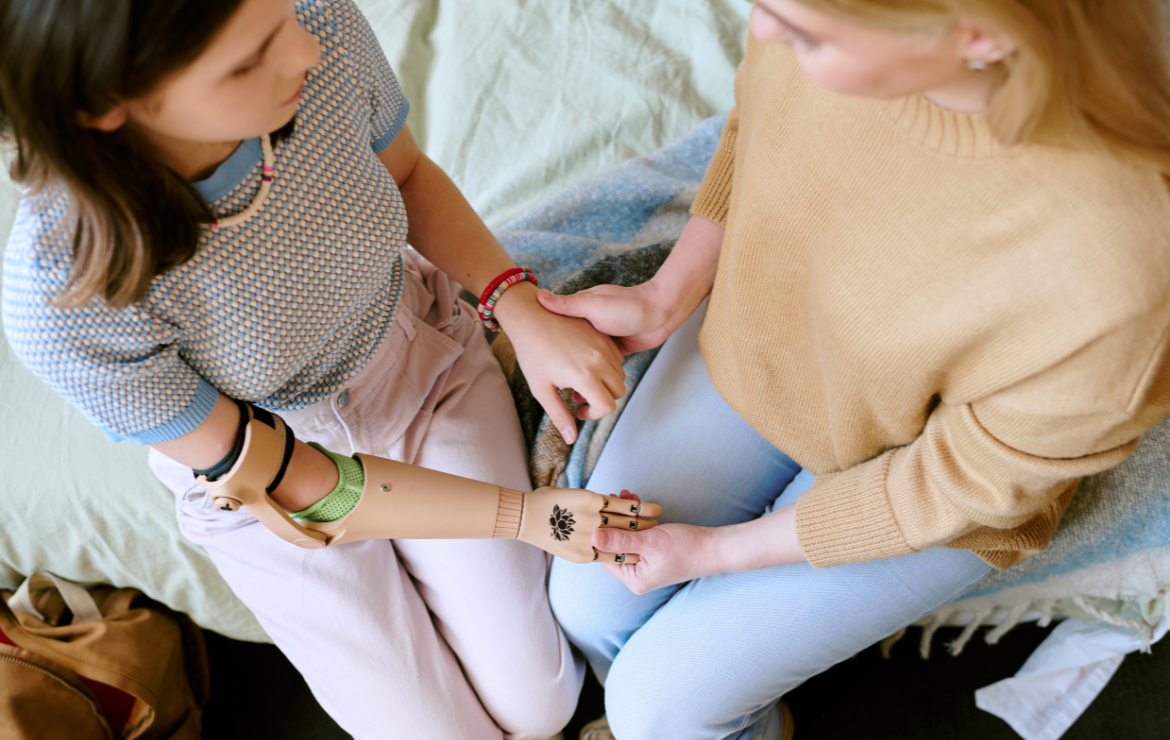
For some individuals, a prosthetic may represent independence and progress.
For others, it may feel like a visible reminder of what was lost.
Some injured workers may prefer highly functional technology. Others may prioritize appearance or privacy because they do not want attention drawn to the injury.
These decisions are often emotional as much as they are clinical.
Why Awareness Matters in Workers’ Compensation
When cultural differences are not recognized, behaviors can sometimes be misunderstood.
For example:
- Limited communication may appear as lack of motivation
- Hesitation toward counseling may seem like resistance
- Family involvement may be viewed as interference instead of support
Misunderstandings like these can lead to:
- Frustration among stakeholders
- Delays in care
- Communication breakdowns
- Poorer recovery outcomes
“Every injured worker responds to limb loss differently, and cultural background can influence how someone views mental health, recovery, family involvement, and even prosthetic acceptance. The more we listen and try to understand the person behind the injury, the better we can support meaningful recovery and long-term outcomes.”
— Zack Craft, SVP Complex Claims
What Helps
No one is expected to be an expert in every culture or belief system. However, small changes in communication and awareness can make a meaningful difference.
Helpful approaches include:
- Asking open-ended questions
- Avoiding assumptions
- Listening carefully before labeling behaviors
- Respecting family involvement
- Providing education with empathy and patience
Sometimes the most important thing we can do is recognize that recovery may not look the same for every individual.
The Bigger Picture
Limb loss recovery is about more than physical healing. It is also about rebuilding confidence, identity, routine, and quality of life.
Mental health support, education, peer support, and communication all play important roles in recovery, but how those services are accepted may vary greatly from person to person.
The more we understand the human side of recovery, including cultural perspectives, the better we can support injured workers through some of the most challenging moments of their lives.