Concussion Claims: What’s Real, What’s Reported, and What to Watch For
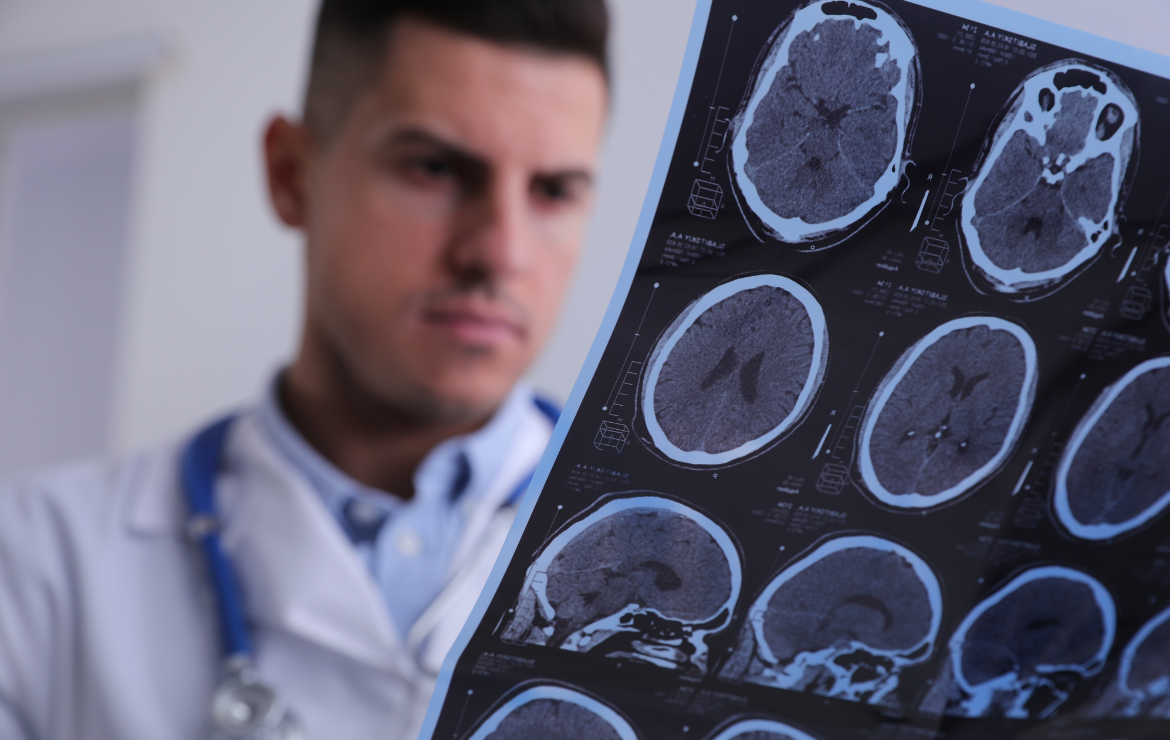
Concussions are one of the most challenging injuries in workers’ compensation. Not because they’re rare, but because they’re often invisible.
There’s no cast. No obvious scan result in many cases. And yet the injured worker may report very real symptoms like headaches, dizziness, light sensitivity, or trouble concentrating.
So the question comes up often:
How do you tell if symptoms are real—or being exaggerated?
Let’s walk through this in a simple, practical way.
First: What Is a Concussion, Really?
A concussion is a mild traumatic brain injury. It happens when the brain is shaken inside the skull.
Think of it like shaking a bowl of gelatin. It moves, but you can’t always “see” the damage from the outside.
Because of that, most concussion symptoms are subjective, meaning we rely on what the patient tells us.
Common Symptoms (That You Can’t Measure Easily)
These are the most reported:
- Headache
- Light sensitivity
- Noise sensitivity
- Dizziness
- Brain fog (trouble focusing or remembering)
- Fatigue
There’s no simple test that says “yes, this headache is real” or “no, it’s not.”
That’s what makes these claims tricky.
So How Do You Evaluate If Symptoms Are Sincere?
Instead of trying to “catch” someone, it’s more effective to look for patterns and consistency.
Here are a few things that matter:
- Consistency Over Time
Are the symptoms reported the same way across:
- Medical visits
- Therapy sessions
- Case manager notes
If the story changes a lot, that can be a flag.
Example:
An injured worker says they cannot tolerate light at all, but later reports no issue driving during the day. That inconsistency is worth exploring.
- Function vs. Complaint
Do the reported symptoms match what the person is actually able to do?
Example:
If someone reports severe concentration problems but is:
- Using their phone regularly
- Managing detailed conversations
- Handling complex tasks
That mismatch may need further evaluation.
- Objective Observations Still Matter
Even though symptoms are subjective, providers can observe:
- Eye tracking issues
- Balance problems
- Delayed responses
- Cognitive slowing
These don’t prove everything, but they help support the picture.
- Effort and Engagement in Recovery
Is the injured worker:
- Attending appointments consistently?
- Participating in therapy?
- Following recommendations?
Lack of engagement can sometimes signal non-medical barriers—or lack of motivation to recover.
But be careful:
Sometimes people avoid therapy because symptoms truly make it difficult. Context matters.
- The Role of Neuropsychological Testing
In some cases, providers may use cognitive testing.
These tests can sometimes identify:
- Poor effort
- Inconsistent responses
- Patterns that don’t match known brain injury profiles
But even here, it’s not perfect.
I’m not sure there is any single test that can definitively prove intent.
What Is the Typical Recovery Timeline?
This is one of the most important anchors for adjusters and NCMs.
- Most concussions improve within 7 to 14 days
- Some take up to 4–6 weeks
- A smaller group develop persistent symptoms (often called post-concussion syndrome)
If symptoms are continuing beyond a few months, it’s reasonable to ask:
- Are we still dealing with the original injury?
- Or are other factors now involved?
When Symptoms Last Longer Than Expected
Extended recovery doesn’t automatically mean someone is exaggerating.
Other factors can slow recovery:
- Stress or anxiety
- Sleep problems
- Prior concussions
- Depression
- Pain from other injuries
Think of it like this:
If your brain is trying to heal, but you’re also not sleeping and feeling stressed, recovery can stall.
A Better Way to Approach These Claims
Instead of asking:
“Are they telling the truth?”
Try asking:
“Does the full picture make sense?”
That includes:
- Medical findings
- Behavior
- Timeline
- Functional ability
When those pieces align, the claim is easier to support.
When they don’t, that’s where clinical guidance and structured programs can help bring clarity.
Final Thought
Concussion claims sit in a gray area.
Some symptoms are very real but hard to prove.
Some cases involve delayed recovery for valid reasons.
And yes, occasionally, symptoms may be overstated.
The goal is not to assume one way or the other.
The goal is to connect the dots.
Because when you focus on patterns, function, and recovery progress—not just complaints—you get closer to the truth and help move the claim forward in the right direction.