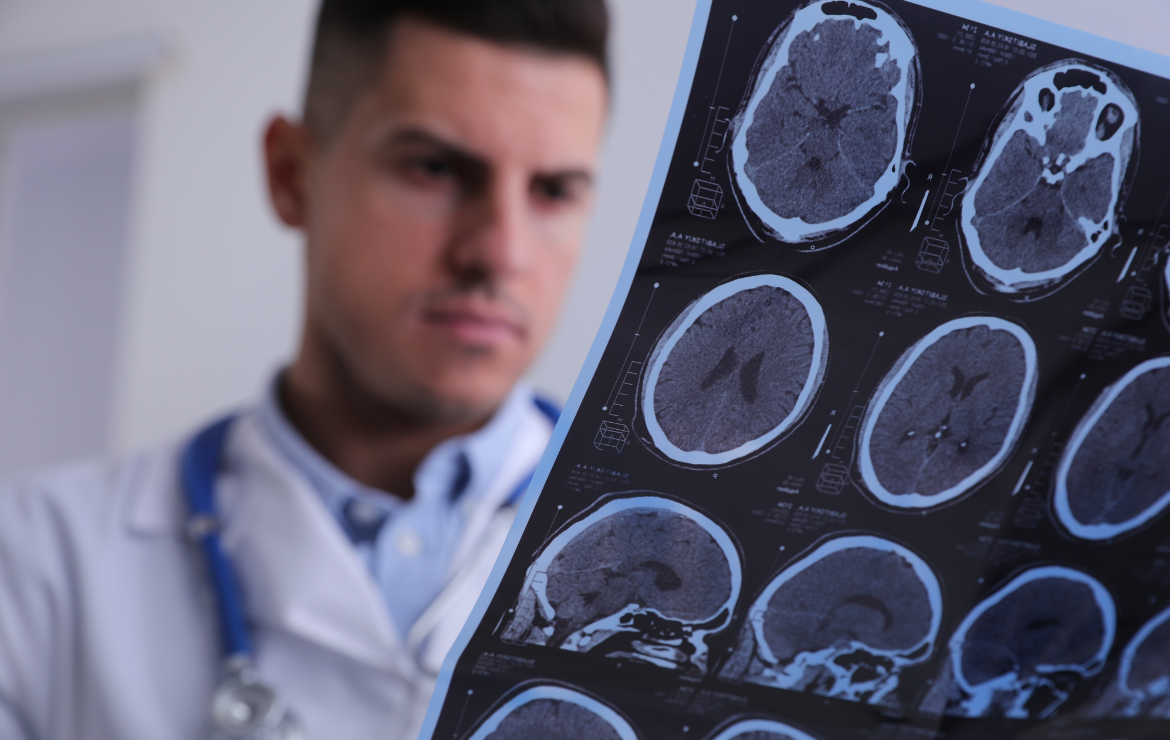
When Is It the Brain, the Injury, or Something Else? Understanding Long-Term Cognitive Changes After TBI vs. Aging, Alzheimer’s, and Mental Health
In complex claims, one of the hardest situations to navigate is when an injured worker continues to report cognitive issues months—or even years—after a traumatic brain injury (TBI).
They may say:
- “I can’t remember things like I used to.”
- “I feel foggy all the time.”
- “I’m not myself anymore.”
The challenge is this:
Are these symptoms from the original injury, normal aging, an early disease process like Alzheimer’s, or mental health factors?
The answer is not always clear. But there are patterns that can help guide your thinking.
First: Why This Is So Difficult
The brain doesn’t show damage the same way a broken bone does. Many of these conditions share overlapping symptoms:
- Memory problems
- Difficulty concentrating
- Slower thinking
- Mood changes
- Fatigue
So instead of looking for one symptom, we have to look at how symptoms behave over time.
How to Differentiate the Patterns
- Long-Term TBI (Post-Concussion or Brain Injury)
After a TBI, symptoms typically follow a pattern:
- Start after a clear injury event
- Improve over time (even if slowly)
- May plateau, but usually don’t progressively worsen without another cause
Common features:
- Attention and processing speed issues
- Mental fatigue (gets worse later in the day)
- Headaches or sensory sensitivity
- Frustration with thinking tasks
Key Insight:
TBI-related symptoms are often stable or slowly improving, not steadily declining.
- Aging Brain (Normal Cognitive Changes)
As people age, some cognitive slowing is expected.
What’s typical:
- Slower recall (but memory comes back with time)
- Occasional forgetfulness (like misplacing keys)
- Takes longer to learn new information
What’s NOT typical:
- Getting lost in familiar places
- Forgetting close family members
- Severe confusion
Key Insight:
Normal aging is mild and does not interfere significantly with daily independence.
- Alzheimer’s or Neurodegenerative Disease
This is where the pattern shifts the most.
Common features:
- Gradual but steady decline over time
- Short-term memory loss (especially recent events)
- Repeating the same questions
- Difficulty with familiar tasks
- Disorientation
Key Insight:
These conditions are progressive. They get worse, not better.
If symptoms are clearly declining months or years after the injury, it may not be the TBI alone.
- Mental Health (Depression, Anxiety, PTSD)
Mental health can strongly affect how the brain functions.
Common features:
- Poor concentration
- Memory complaints (“I can’t remember anything”)
- Low motivation
- Sleep problems
- High stress
Important difference:
- Effort and attention are often inconsistent
- Memory may improve with cues or encouragement
Example:
A person with depression may say they can’t remember anything—but with prompting, they can recall details.
Key Insight:
Mental health-related cognitive issues are often inconsistent and tied to mood and stress levels.
Quick Pattern Comparison
- TBI: Starts with injury, stabilizes or improves
- Aging: Mild, slow changes, still independent
- Alzheimer’s/Disease: Progressive decline over time
- Mental Health: Fluctuates, tied to mood and engagement
What Adjusters and NCMs Should Watch For
Look beyond the diagnosis and focus on:
- Timeline: Did symptoms start right after injury or later?
- Trend: Improving, stable, or worsening?
- Function: Can the person manage daily life?
- Consistency: Are symptoms the same across settings?
How to Care for and Support These Individuals
Regardless of the cause, the goal is the same: support function and quality of life while moving the claim forward appropriately.
Practical Care Strategies
- Keep communication simple
- Use clear, short instructions
- Repeat key points if needed
- Create structure
- Encourage routines
- Use calendars, reminders, or apps
- Break tasks into steps
- Avoid overwhelming the injured worker
- Focus on one task at a time
- Support cognitive energy
- Schedule important tasks earlier in the day
- Allow for breaks
- Address mental health early
- Stress, anxiety, and depression can slow recovery
- Behavioral health support can improve outcomes
- Use the right specialists when needed
- Neurology
- Neuropsychology
- Behavioral health providers
When to Consider Further Evaluation
It may be time to escalate when:
- Symptoms are worsening over time
- Function is declining instead of stabilizing
- There is a mismatch between reported symptoms and observed ability
- The diagnosis does not fully explain the presentation
Final Thought
Not every cognitive complaint after a TBI is caused by the injury.
But not every ongoing symptom is unrelated either.
The key is to step back and ask:
“Does the pattern make sense?”
When you focus on timeline, progression, and function, you move from guessing to understanding—and that’s what helps guide better care, better decisions, and better outcomes for everyone involved.