Lost in Translation: How Language Barriers Can Impact Workers’ Compensation Claims
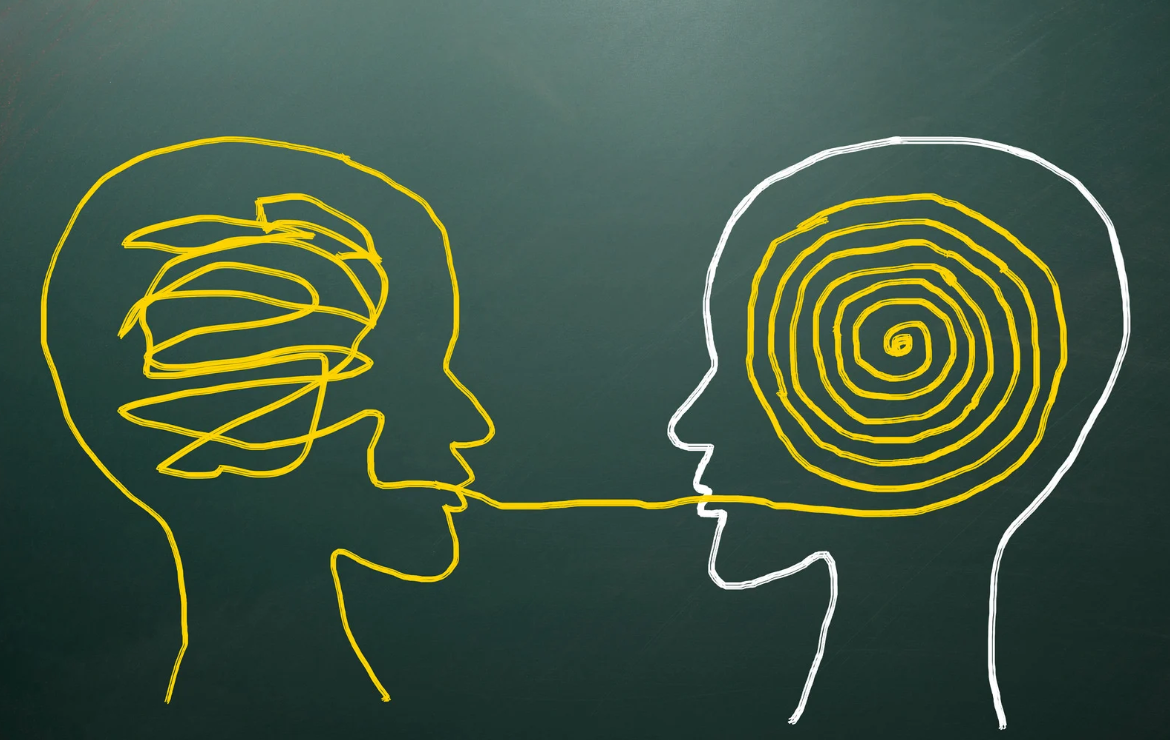
A misunderstood symptom, an incorrectly interpreted medical instruction, or a simple language difference can have consequences that extend far beyond a single appointment. In workers’ compensation, clear communication is an important part of effective claims management.
When an injured worker seeks medical treatment, communication is essential. Physicians need accurate descriptions of symptoms, injured workers must understand their treatment plans, and claims professionals rely on clear information to make informed decisions.
But what happens when everyone involved doesn’t speak the same language?
Language barriers can introduce challenges that aren’t always immediately apparent. A misunderstood medical term, an incomplete explanation of symptoms, or confusion about work restrictions can create delays, complicate treatment, and potentially increase claim costs.
For workers’ compensation professionals, addressing these barriers early isn’t simply a matter of convenience. It’s an important part of supporting appropriate care and keeping claims moving forward.
When One Word Changes Everything
Medical terminology can be complicated even when everyone speaks the same language. Add interpretation into the conversation, and the potential for misunderstanding increases.
One well-known example involves Willie Ramirez, an 18-year-old who arrived unconscious at a South Florida hospital in 1980.
His Spanish-speaking family used the word intoxicado to describe his condition. Hospital staff reportedly interpreted the word as meaning intoxicated by drugs or alcohol. However, the family was describing a different type of illness.
Ramirez was actually experiencing bleeding in his brain. The misunderstanding contributed to a delayed diagnosis, and he was left with permanent paralysis.
Although this case occurred decades ago, it illustrates a problem that remains relevant today: words that sound similar across languages don’t always carry the same meaning.
In workers’ compensation, misunderstandings may be less dramatic but can still have significant consequences.
An injured worker describing pain in the lower back might use terminology that an interpreter unfamiliar with regional expressions misunderstands as referring to the hip. A description of numbness might be confused with weakness. Even a misunderstanding about whether pain is constant or intermittent can affect how symptoms are documented.
These details matter when physicians evaluate injuries, determine treatment plans, and establish work restrictions.
Speaking Two Languages Doesn’t Make Someone a Medical Interpreter
It’s common to assume that anyone who speaks two languages can help translate a medical conversation.
However, being bilingual and being a trained medical interpreter are not the same thing.
Professional medical interpreters are trained to communicate information accurately and impartially while maintaining confidentiality and recognizing the importance of medical terminology.
Family members, friends, or untrained bilingual employees may have good intentions, but they can unintentionally omit information, simplify explanations, or answer questions on behalf of the injured worker.
For example, a family member might tell a physician that the injured worker is feeling better, even though the worker described ongoing pain. The family member may believe they’re helping, but the information communicated to the physician is no longer complete.
As Andrea Davila, Operations Manager III, who oversees Language Services at MTI America and is a National Certified Medical Interpreter, explained:
“Language access supports injured workers, helps manage costs, and reduce communication failures.”
Accuracy is especially important in workers’ compensation, where medical documentation, recorded statements, functional evaluations, and treatment recommendations may influence decisions throughout the claim.
The Hidden Costs of Miscommunication
The financial impact of language barriers isn’t always reflected in a single invoice.
Instead, costs may develop gradually as misunderstandings affect different stages of the claim.
- Delayed or Inappropriate Treatment
When symptoms aren’t communicated accurately, physicians may not receive the complete information needed to evaluate an injury.
This can result in additional appointments, clarification requests, or delays in determining the appropriate treatment.
- Missed Appointments and Treatment Confusion
An injured worker who doesn’t fully understand appointment instructions, preparation requirements, or follow-up recommendations may unintentionally miss important steps in the treatment process.
Clear communication helps ensure injured workers understand where they need to be, what they need to do, and why their participation matters.
- Misunderstood Work Restrictions
Return-to-work planning depends on accurate communication between the treating physician, injured worker, employer, and claims professional.
If an injured worker misunderstands lifting restrictions, activity limitations, or modified-duty instructions, it can create confusion about what tasks can safely be performed.
Professional interpretation helps ensure those instructions are communicated as intended.
- Longer Claim Durations
Research discussed in workers’ compensation settings has identified associations between language barriers and longer time away from work, higher medical costs, and increased total claim costs.
Although language barriers aren’t necessarily the sole cause of these outcomes, communication challenges can contribute to delays and make claims more difficult to manage.
- Additional Administrative Work
When information is unclear, adjusters and nurse case managers may spend additional time contacting providers, clarifying documentation, rescheduling appointments, or addressing misunderstandings.
These administrative demands can add complexity to an already challenging claims process.
Even the Same Language Can Get Lost in Translation
One of the more surprising challenges in medical interpretation is that speaking the same language doesn’t always guarantee understanding.
Spanish, for example, is spoken across numerous countries, each with its own regional expressions, vocabulary, and terminology.
A word commonly used in Mexico may carry a different meaning in Peru, Colombia, or the Dominican Republic.
Consider the word guagua. In parts of the Caribbean, it refers to a bus. In Chile, it commonly means a baby.
Regional differences can become particularly important when injured workers describe body parts, symptoms, or the circumstances surrounding an injury.
An interpreter must recognize when a term is unclear and ask for clarification rather than assume its meaning.
This is one reason medical interpretation requires more than conversational fluency. It demands an understanding of language variations, medical terminology, and the ability to recognize potential misunderstandings before they affect communication.
Choosing the Right Interpretation Method Matters
Not every medical interaction requires an interpreter to be physically present. However, the type of appointment and communication needs should help determine the most appropriate service.
On-site interpretation can be particularly valuable during medical examinations, physical therapy, functional capacity evaluations, and appointments involving physical demonstrations or multiple participants.
Telephonic interpretation may be appropriate for routine claim discussions, appointment coordination, recorded statements, and other conversations where visual communication isn’t essential.
Video remote interpretation provides the added benefit of visual interaction and may help connect injured workers with interpreters who aren’t available locally. It can also support certain sign language interpretation needs when appropriate technology and accommodations are available.
Document translation serves a different purpose altogether. When injured workers need written information in another language, such as medical instructions, benefits information, or important claim documents, professional translation allows them to review that information after the conversation ends.
The objective isn’t simply to provide language assistance. It’s to match the appropriate communication resource to the situation.
Why Early Language Identification Is Important
Language needs should ideally be identified at the beginning of the claim rather than after a communication problem occurs.
Claims professionals can help prevent unnecessary complications by confirming the injured worker’s preferred language, identifying whether interpretation is needed, and providing adequate notice when scheduling services.
This becomes especially important for less commonly requested languages or regional dialects, where qualified interpreters may be more difficult to locate.
For example, certain Indigenous languages have regional variations that may not be mutually understood. Identifying only the general language may not provide enough information to match the injured worker with the appropriate interpreter.
Taking the time to verify these details can prevent delays and improve the quality of communication during medical appointments and claim-related discussions.
Clear Communication Supports Better Claims Management
In workers’ compensation, the goal is to help injured workers receive appropriate treatment and progress toward recovery and a safe return to work.
Achieving that goal requires more than scheduling appointments and authorizing services. It requires making sure the injured worker understands the information being communicated and that healthcare providers and claims professionals receive accurate responses.
Professional language services help bridge that gap.
When communication is clear, injured workers are better positioned to participate in their treatment, physicians can make decisions based on more accurate information, and claims professionals can manage cases with greater confidence.
The Bottom Line: Communication Is Part of Cost Containment
The cost of professional interpretation is often small compared with the potential consequences of misunderstood medical information, delayed treatment, or unnecessary administrative complications.
For workers’ compensation professionals, investing in accurate communication isn’t simply about overcoming a language barrier. It’s about reducing preventable misunderstandings and supporting better coordination throughout the claim.
At MTI America, we understand that effective communication is essential to effective care. Through professional interpretation and document translation services, MTI helps connect injured workers, healthcare providers, and claims professionals with the language resources they need.
Because when everyone understands one another, the entire claims process has a better opportunity to move forward.