How Wound VAC Therapy Helps Keep Workers’ Compensation Claims Moving Forward
When people think about wound care, they often think of bandages and dressing changes. But for complex wounds, especially those following traumatic injuries or surgery, advanced therapies can make the difference between a prolonged recovery and a successful return to work.
One of the most effective tools available today is Negative Pressure Wound Therapy (NPWT), commonly known as Wound VAC therapy.
During MTI’s recent Chronic Wound Care CEU, our clinical team emphasized that wound healing isn’t about finding one solution, it’s about coordinating the right team, the right equipment, and the right interventions at the right time. Wound VAC therapy is one important piece of that comprehensive approach.
What Is a Wound VAC?
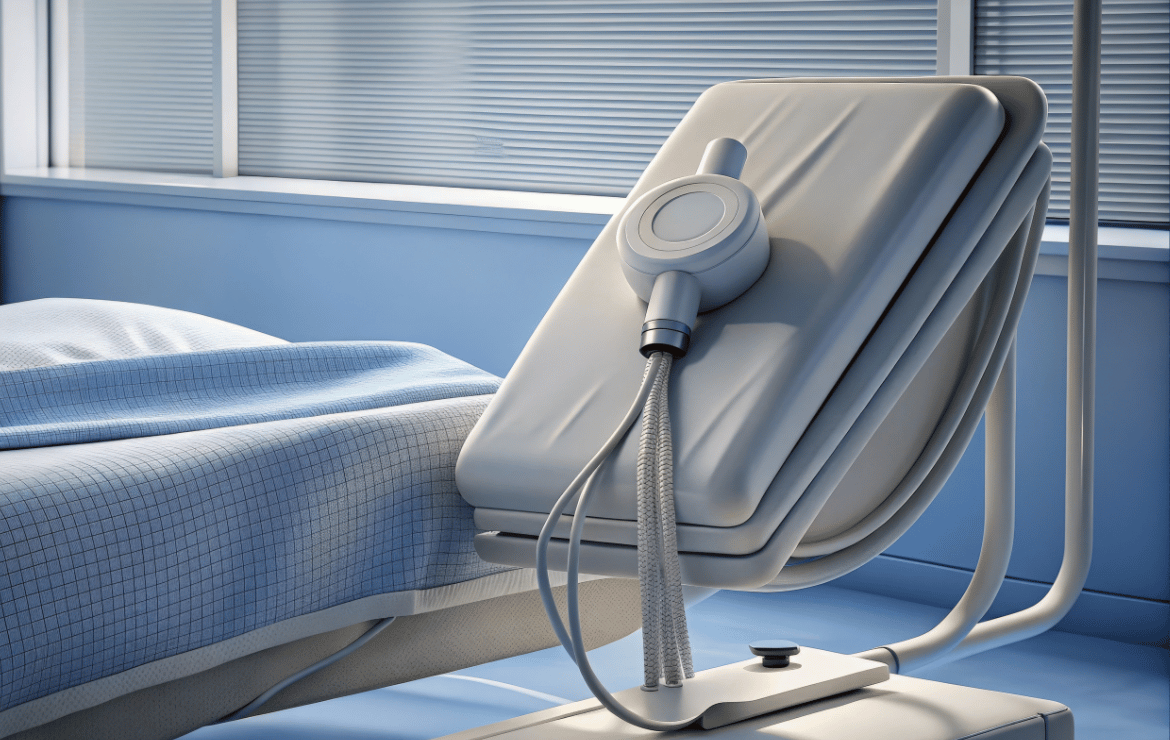
A Wound VAC is a medical device that applies controlled negative pressure (gentle suction) to a wound through a specialized foam dressing connected to a small pump.
Rather than simply covering the wound, the therapy continuously:
- Removes excess drainage
- Helps reduce swelling
- Promotes healthy blood flow
- Encourages new tissue growth
- Creates an environment that supports healing
For many complex wounds, this technology can help move healing forward when traditional dressings alone may not be enough.
Why It Matters in Workers’ Compensation
Every additional week a wound remains open increases the likelihood of complications.
According to MTI’s clinical discussion, chronic wounds don’t just affect skin, they affect mobility, pain levels, mental health, independence, and ultimately the injured worker’s ability to return to work. Advanced Stage III and Stage IV wounds can exceed $50,000 in treatment costs while significantly extending claim duration.
When appropriate, Wound VAC therapy can support faster progression through the healing process by:
- Managing heavy wound drainage
- Protecting healing tissue
- Reducing dressing disruption
- Supporting consistent wound healing
- Helping avoid additional complications
Technology Is Only Part of the Solution
One of the biggest takeaways from MTI’s presentation was that no single product heals a wound by itself.
Successful recovery requires a coordinated care team that may include:
- Treating physicians
- Certified wound specialists
- Home health nurses
- Nurse case managers
- Durable Medical Equipment (DME) providers
- Claims professionals
Each member contributes to identifying problems early and ensuring treatment remains on track.
Home Health Makes Wound VAC Therapy Work
A Wound VAC is only effective when it’s functioning properly.
During the CEU, MTI’s clinical team stressed that skilled home health nurses become the “eyes and ears” of the recovery process. They help:
- Troubleshoot alarms and equipment issues
- Replace or reinforce dressings if the seal fails
- Monitor wound measurements and healing progress
- Recognize signs of infection
- Educate injured workers and caregivers
- Communicate concerns quickly to physicians and case managers
Without this ongoing monitoring, small issues can quickly become major setbacks.
Don’t Lose Sight of the Root Cause
One of the most valuable lessons from the presentation was that providers shouldn’t simply treat the wound, they should determine why it developed.
Factors such as diabetes, poor circulation, smoking, limited mobility, poor nutrition, pressure, improper seating, or even friction from clothing can all prevent wounds from healing or cause them to recur. Addressing those underlying issues is just as important as selecting the right dressing or device.
Early Intervention Changes Outcomes
Whether a wound develops after surgery, trauma, or prolonged immobility, delaying intervention increases the risk of infection, hospitalization, and even amputation.
Claims professionals should pay close attention to warning signs, including:
- Increased drainage
- Expanding redness or swelling
- Persistent foul odor
- Increasing pain
- Slow or stalled healing
- Fever or other signs of infection
Recognizing these red flags early allows the clinical team to intervene before a manageable wound becomes a catastrophic claim.
Wound VAC therapy is far more than a piece of medical equipment. It’s one component of a coordinated recovery strategy designed to improve healing, reduce complications, and help injured workers safely return to their lives.
When paired with proactive clinical oversight, home health support, DME coordination, and careful attention to underlying health conditions, advanced wound care technologies can make a measurable difference in both patient outcomes and claim costs.
As MTI’s clinical team concluded during the CEU, the goal isn’t simply to treat the wound, it’s to understand the root cause, intervene early, and bring together the right resources to support lasting recovery.