March 2026 Newsletter – MTI America
Uncategorized

March 2026 Newsletter

March 2026 Newsletter

ClaimsPulse360

ClaimsPulse is a monthly newsletter packed with insights and interesting information.
Signup Today!

Issue: March 2026

When Is It the Brain, the Injury, or Something Else? Understanding Long-Term Cognitive Changes After TBI vs. Aging, Alzheimer’s, and Mental Health

In complex claims, one of the hardest situations to navigate is when an injured worker continues to report cognitive issues months—or even years—after a traumatic brain injury (TBI).

They may say:

  • “I can’t remember things like I used to.”
  • “I feel foggy all the time.”
  • “I’m not myself anymore.”

The challenge is this:

Are these symptoms from the original injury, normal aging, an early disease process like Alzheimer’s, or mental health factors?

The answer is not always clear. But there are patterns that can help guide your thinking.

First: Why This Is So Difficult

The brain doesn’t show damage the same way a broken bone does. Many of these conditions share overlapping symptoms:

  • Memory problems
  • Difficulty concentrating
  • Slower thinking
  • Mood changes
  • Fatigue

So instead of looking for one symptom, we have to look at how symptoms behave over time.

How to Differentiate the Patterns

  1. Long-Term TBI (Post-Concussion or Brain Injury)

After a TBI, symptoms typically follow a pattern:

  • Start after a clear injury event
  • Improve over time (even if slowly)
  • May plateau, but usually don’t progressively worsen without another cause

Common features:

  • Attention and processing speed issues
  • Mental fatigue (gets worse later in the day)
  • Headaches or sensory sensitivity
  • Frustration with thinking tasks

Key Insight:
TBI-related symptoms are often stable or slowly improving, not steadily declining.

  1. Aging Brain (Normal Cognitive Changes)

As people age, some cognitive slowing is expected.

Read More

What Starts as Back Pain Can Turn Into Something More

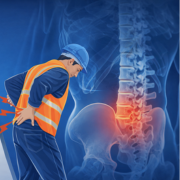
Lower spine injuries are one of the most common claims in workers’ compensation. On paper, many of them start out simple. A worker lifts something heavy, feels pain, and is diagnosed with a lumbar strain. It sounds straightforward.

But as many adjusters and nurse case managers know, these claims don’t always stay simple.

Over time, what began as a minor injury can turn into a long, complicated claim with ongoing pain, mobility issues, and delayed return to work.

So what’s really happening?

Read More >>

Concussion Claims: What’s Real, What’s Reported, and What to Watch For

Concussions are one of the most challenging injuries in workers’ compensation. Not because they’re rare, but because they’re often invisible.

There’s no cast. No obvious scan result in many cases. And yet the injured worker may report very real symptoms like headaches, dizziness, light sensitivity, or trouble concentrating.

So the question comes up often:

How do you tell if symptoms are real—or being exaggerated?

Read More >>

Sign Up for CE Webinar Alerts >>


EVENTS

LABI Apr. 30, 2026
Webinar
When a Back Injury Becomes a Complex Claim
Register Today!
LABI

May 3 – 6, 2026
Riskworld
Philadelphia, PA

View All Events

Stay Sane in the Claims Game
The Ultimate Health Update for Professionals

Stay Sane in the Claims Game
Show Your Lower Back Some Love

If you work in claims, chances are your lower back has filed its own complaint by now.

Long hours sitting. Leaning into your screen. That one chair that looked supportive… until it wasn’t. Sound familiar?

The truth is, lower back strain isn’t just something we see in claims—it’s something many of us quietly deal with every day.

Why Your Back Is Speaking Up

Your lower back (lumbar spine) does a lot of heavy lifting—literally. When you sit for long periods:

  • Your core relaxes (a little too much)
  • Your posture starts to drift
  • Pressure builds in your lower spine

Over time, that can lead to stiffness, soreness, and the classic “I just stood up and now I regret everything” moment.

Quick Fixes You Can Actually Do at Your Desk

No yoga mat required.

1. The 60-Second Reset
Sit up straight, plant your feet, and gently roll your shoulders back. Take a deep breath. That’s it—you’ve already helped your back.

2. Stand-Up Rule
Every 30–60 minutes, stand up—even if it’s just to grab water or walk 10 steps. Movement matters more than perfection.

3. Screen Check
If you’re looking down all day, your spine is working overtime. Bring your screen up to eye level when you can.

4. Micro Stretch
Place your hands on your lower back and gently lean back for a few seconds. It feels small—but it helps.

A Little Perspective (From What We See Every Day)

We spend our days managing claims involving back injuries, and one thing is clear, small habits add up. The same applies to us.

Taking a minute here and there to reset your posture or move around won’t just make you more comfortable, it can help prevent the kind of issues we see in claims every day.

Final Thought

You don’t need a full wellness routine to take care of your back. Just a few small, consistent habits can make a big difference.

And if nothing else… consider this your official reminder to stand up right now.

Point of Care
Solutions that
Meet Your Needs

MTI America's 360-degree approach to care delivers a comprehensive set of ancillary services to insurers, self-insured employers and TPAs and offers quick coordination with a quality focus.

Physical Medicine MTiRide Transportation Language
Post-Acute Care Home Health & Catastrophic Care Medical Equipment
Diagnostic Imaging Hearing Dental
Phone: 800-553-2155
Visit:
MTIAMERICA.COM
Copyright © 2026 MTI America. All Rights Reserved.