April 2026 Newsletter – MTI America
Uncategorized

April 2026 Newsletter

April 2026 Newsletter

ClaimsPulse360

ClaimsPulse is a monthly newsletter packed with insights and interesting information.
Signup Today!

Issue: April 2026

Behavior Is Communication: What "Non-Compliant" Really Means in Limb Loss Claims

April is Limb Loss and Limb Difference Awareness Month, a good time to look closer at what recovery really looks like for injured workers who have experienced an amputation.

In many claims, there comes a point where the injured worker is labeled as "non-compliant."

They miss appointments. They don’t follow through with care. They seem disengaged.

But here’s the problem:

What looks like non-compliance is often something else entirely.

What We See vs. What’s Really Happening

From the outside, these behaviors can look frustrating:

  • Missed medical appointments
  • Delays in starting prosthetics
  • Lack of participation in therapy
  • Refusing equipment or services
  • Anger toward providers or adjusters

These actions often get labeled as:

  • "Difficult"
  • "Unmotivated"
  • "Non-compliant"

But those labels don’t explain why it’s happening.

Behavior Is Communication

Every behavior is sending a message.

Instead of asking,
"Why aren’t they cooperating?"

A better question is:
"What is this behavior trying to tell us?"

What Might Be Behind the Behavior

Limb loss is not just a physical injury. It affects identity, independence, and daily life. Many injured workers are dealing with emotional challenges that aren’t always visible.

Some common underlying factors include:

  • Grief
    Loss of a limb often means loss of a previous way of life
  • Loss of control
    Their routine, job, and independence may all change at once
  • Fear
    Fear of pain, the future, or whether life will ever feel “normal” again
  • Depression
    Low energy, withdrawal, and lack of motivation
  • Anxiety
    Worry about returning to work, finances, or physical ability
Read More

When Weight Matters: How Obesity Impacts Lower Spine Injuries in Workers’ Compensation

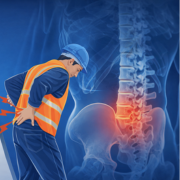
Lower back injuries are one of the most common claims in workers’ compensation and one of the most complicated. While the initial injury may seem straightforward, recovery doesn’t always follow a clear path. One factor that often plays a role, but isn’t always addressed directly, is obesity.

Understanding how weight impacts the spine and the claim can help adjusters and nurse case managers make more informed decisions.

The Mechanical Impact on the Spine

The lower spine (lumbar region) supports most of the body’s weight. When that weight increases, so does the stress on:

  • Discs (which act as cushions between vertebrae)
  • Joints
  • Supporting muscles and ligaments

Read More >>

Sign Up for CE Webinar Alerts >>


EVENTS

LABI Apr. 30, 2026
Webinar
When a Back Injury Becomes a Complex Claim
Register Today!
LABI May 21, 2026
Webinar
(Ethics Credit)
When the Injury Changes Everything Ethical Considerations in Limb Loss and Mental Health Recovery
Register Today!
LABI

May 3 – 6, 2026
Riskworld
Philadelphia, PA

View All Events

Stay Sane in the Claims Game
The Ultimate Health Update for Professionals

The Back Claim That Looked Easy… Until It Wasn’t

You open a new claim.

Injury: low back
Cause: lifting
Diagnosis: lumbar strain

You think:
"Okay, this one should move."

Plan:

A little PT

Light duty

Back to work

Simple enough.


Then the Updates Start

A few weeks in, the notes say:

"Still reporting pain"

“Difficulty sitting”

“Limited progress"

Not ideal, but still manageable.

Then comes the next update:

"Pain going down the leg"

“Numbness in foot"

“Can’t stand long"

Now things have changed.

This is no longer just a back strain.
This is now about function, mobility, and safety.


The Disconnect

Here’s where it gets tricky.

On paper:

The diagnosis may not look severe

Imaging may not explain the symptoms

But in real life:

The worker is struggling to move

Daily tasks are harder

Return to work feels out of reach

Now you’re managing two realities at once.


When the Claim Slows Down

This is the phase everyone recognizes:

PT continues

Reports feel repetitive

Progress is slow

The claim starts to feel stuck.

And the question becomes:
“What is really driving this claim?”

Is it:

Pain?

Fear of movement?

Physical limitations?

Something not being addressed?


What Often Gets Missed

In back claims, we focus on:

Diagnosis

Imaging

Treatment plans

But the better question is:

"What can this person safely do right now?"

Because someone might be cleared medically…
But still unable to:

Sit through a full shift

Drive comfortably

Climb stairs at home

That gap is where claims become complex.

Most back injuries don’t start out complicated.
They become complicated when pain, movement, and daily function don’t line up.

If you’ve ever thought,
"This should have resolved by now…"

You’re not alone.

Understanding how lower spine injuries affect real-life movement can help explain why some claims stall and what may help move them forward.

Point of Care
Solutions that
Meet Your Needs

MTI America's 360-degree approach to care delivers a comprehensive set of ancillary services to insurers, self-insured employers and TPAs and offers quick coordination with a quality focus.

Physical Medicine MTiRide Transportation Language
Post-Acute Care Home Health & Catastrophic Care Medical Equipment
Diagnostic Imaging Hearing Dental
Phone: 800-553-2155
Visit:
MTIAMERICA.COM
Copyright © 2026 MTI America. All Rights Reserved.