July 2026 Newsletter – MTI America
Uncategorized

July 2026 Newsletter

July 2026 Newsletter

ClaimsPulse360

ClaimsPulse is a monthly newsletter packed with insights and interesting information.
Signup Today!

Issue: July 2026

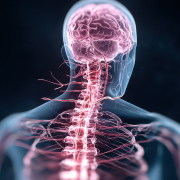
Brain Injury Claims: The Hidden Challenge of Cognitive Fatigue

When an injured worker says, “I’m just tired all the time,” it’s easy to assume they’re describing a normal part of recovery.

But after a traumatic brain injury (TBI), fatigue isn’t just feeling sleepy, it can be one of the most significant barriers to returning to work, even when medical imaging looks normal and physical injuries have healed.

For adjusters and nurse case managers, recognizing cognitive fatigue early can help prevent delayed recoveries, unnecessary treatment, and costly claim extensions.

What Is Cognitive Fatigue?

Unlike physical fatigue, cognitive fatigue develops when the brain has to work harder to complete everyday tasks.

Simple activities such as reading emails, attending meetings, driving, or carrying on conversations can become mentally exhausting after a brain injury.

An injured worker may appear perfectly fine during a short medical appointment but struggle for hours afterward because their brain has reached its limit.

This often creates confusion on a claim:

  • The employee looks physically recovered
  • Imaging may not explain ongoing complaints
  • The worker reports headaches, concentration issues, or memory problems
  • Productivity remains low despite motivation

These symptoms are real and they’re common after mild to moderate brain injuries.

Why This Matters in Workers’ Compensation

Cognitive fatigue frequently affects return-to-work success more than physical limitations.

Employees may initially return to full duty only to experience:

  • Increased mistakes
  • Difficulty multitasking
  • Slower decision making
  • Reduced concentration
  • Mental exhaustion by midday

Without recognizing the cause, employers may believe the worker is disengaged, while adjusters may question why recovery appears to have stalled.

The result can be repeated medical visits, unnecessary testing, delayed claim resolution, and frustration for everyone involved.

Read More

How Wound VAC Therapy Helps Keep Workers’ Compensation Claims Moving Forward

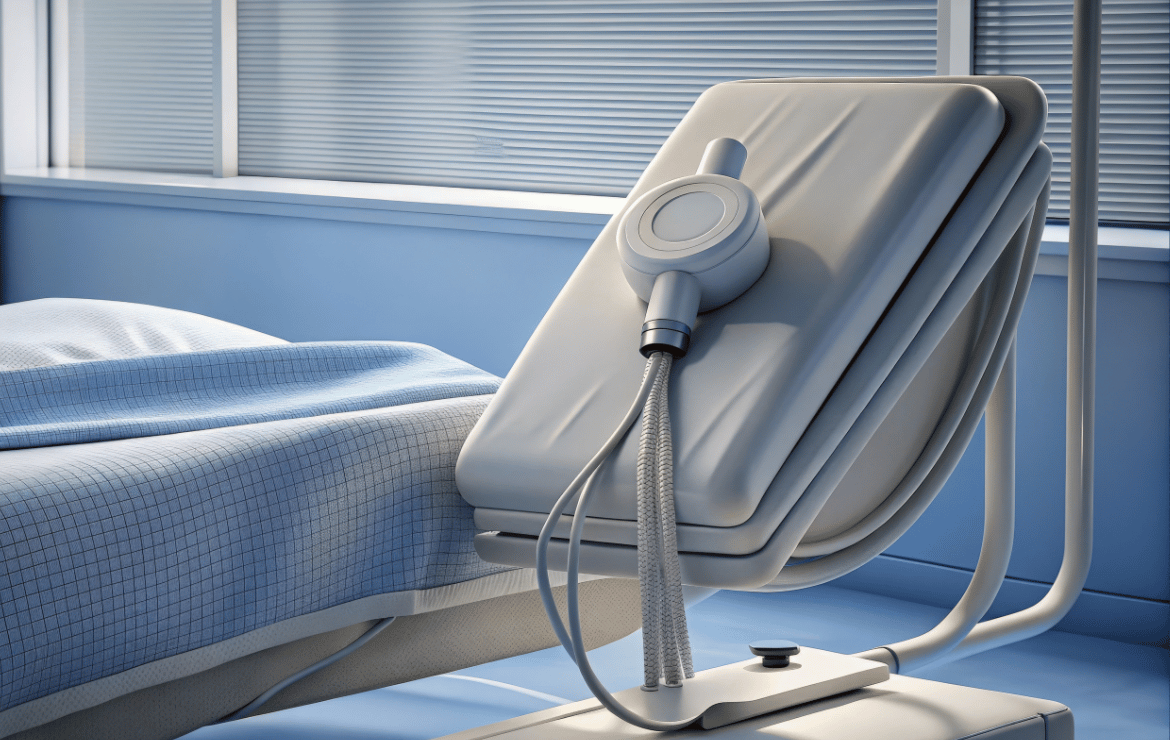
When people think about wound care, they often think of bandages and dressing changes. But for complex wounds, especially those following traumatic injuries or surgery, advanced therapies can make the difference between a prolonged recovery and a successful return to work.

One of the most effective tools available today is Negative Pressure Wound Therapy (NPWT), commonly known as Wound VAC therapy.

Read More >>

Sign Up for CE Webinar Alerts >>


EVENTS

LABI Sept. 3, 2026
Webinar
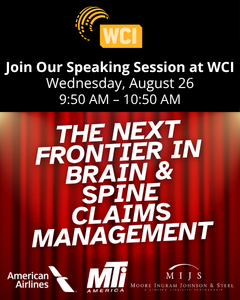
Brain & Spine Claims Management
Register Today!
LABI

Aug. 23 – 26, 2026
WCI
Orlando, FL

View All Events

Stay Sane in the Claims Game
The Ultimate Health Update for Professionals

You Don't Have to Carry the Claim Alone

Some claims seem to have a way of testing everyone's patience.

The MRI gets delayed.

The follow-up appointment gets pushed back.

The wound isn't healing as expected.

Transportation falls through.

The injured worker misses therapy because they couldn't get there.

Suddenly, what started as a straightforward claim has become a puzzle with pieces scattered everywhere.

If you've ever felt like you're trying to juggle provider offices, medical equipment, transportation, home health, family members, employers, and the injured worker, all before lunch, you are not alone.

Great Outcomes Are Built by Great Teams

One of the biggest misconceptions in workers' compensation is that one person is responsible for moving the claim forward.

In reality, successful recoveries happen when everyone plays their part.

The adjuster keeps the claim moving.

The nurse case manager coordinates care.

The physician directs treatment.

The therapist restores function.

The home health nurse monitors recovery.

The DME provider ensures the right equipment is delivered.

Transportation gets the injured worker where they need to be.

Each piece may seem small on its own, but together they create momentum toward recovery.

No One Sees Everything

A home health nurse may notice the first signs of a wound infection.

A transportation coordinator may learn the injured worker missed an appointment because they were afraid to drive.

A DME specialist may discover equipment isn't fitting properly.

A nurse case manager may recognize a new barrier before it becomes a costly delay.

When everyone communicates, problems are often solved before they become setbacks.

Collaboration Saves More Than Time

Working together doesn't just reduce delays, it improves outcomes.

The injured worker feels supported.

Providers stay informed.

Adjusters spend less time chasing updates.

Employers see employees returning to work sooner.

And everyone shares the same goal: helping someone recover safely and efficiently.

Stay Sane Tip

The best claims professionals know they don't have to have every answer.

They just know who to call.

That's the power of a coordinated care team.

Because in workers' compensation, the best outcomes aren't created by one person, they're built by people working together.


Point of Care
Solutions that
Meet Your Needs

MTI America's 360-degree approach to care delivers a comprehensive set of ancillary services to insurers, self-insured employers and TPAs and offers quick coordination with a quality focus.

Physical Medicine MTiRide Transportation Language
Post-Acute Care Home Health & Catastrophic Care Medical Equipment
Diagnostic Imaging Hearing Dental
Phone: 800-553-2155
Visit:
MTIAMERICA.COM
Copyright © 2026 MTI America. All Rights Reserved.