
May 2026 Newsletter – MTI America
Uncategorized

May 2026 Newsletter

May 2026 Newsletter

ClaimsPulse360

ClaimsPulse is a monthly newsletter packed with insights and interesting information.
Signup Today!

Issue: May 2026

The Cultural Side of Recovery Why Mental Health Support Looks Different for Everyone

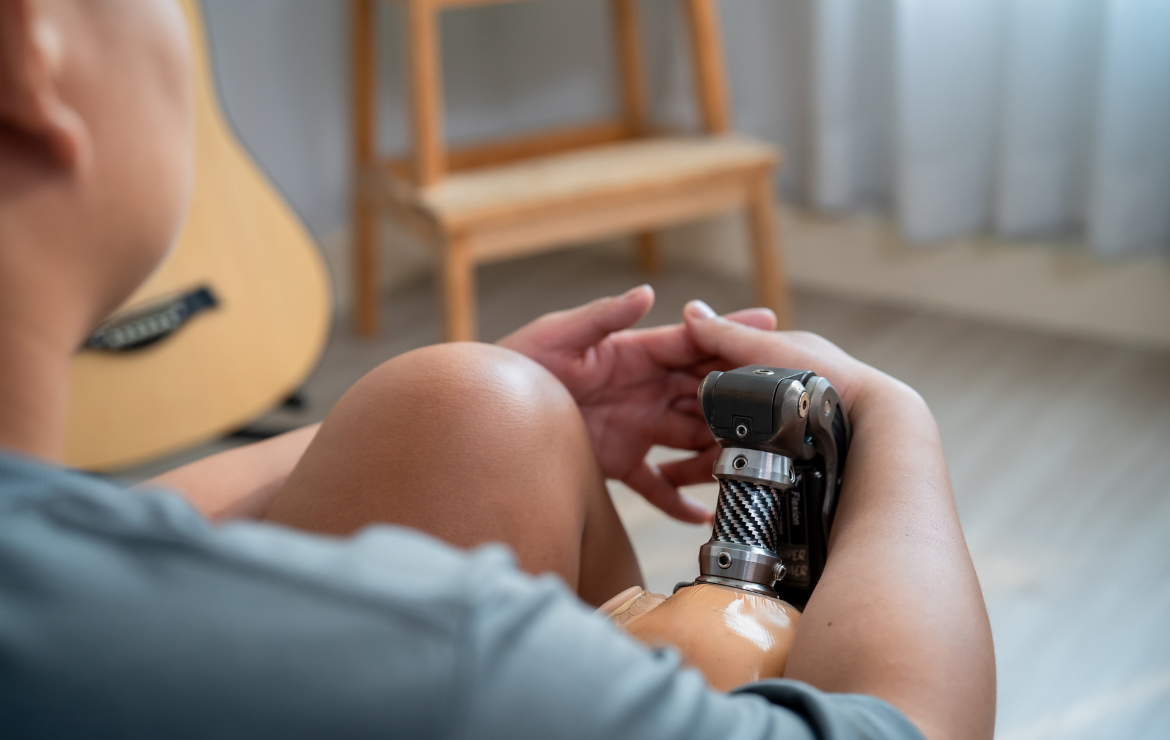
When someone experiences limb loss, the physical injury is only part of the story.

Recovery is also emotional, social, and deeply personal. Mental health, family dynamics, cultural beliefs, and personal identity can all influence how an injured worker responds to care, support services, and recovery expectations.

And sometimes, those differences can impact the entire direction of a claim.

Mental Health Is Viewed Differently Across Cultures

In some cultures, openly discussing mental health is encouraged. In others, emotional struggles may be viewed as private or something that should be handled within the family.

Because of this, some injured workers may:

  • Avoid discussing emotional challenges
  • Decline counseling or peer support
  • Minimize pain or stress
  • Focus only on returning to work
  • Feel uncomfortable asking for help

This does not necessarily mean the individual is disengaged or unwilling to recover.

In many cases, it simply reflects a different perspective on emotional health and support.

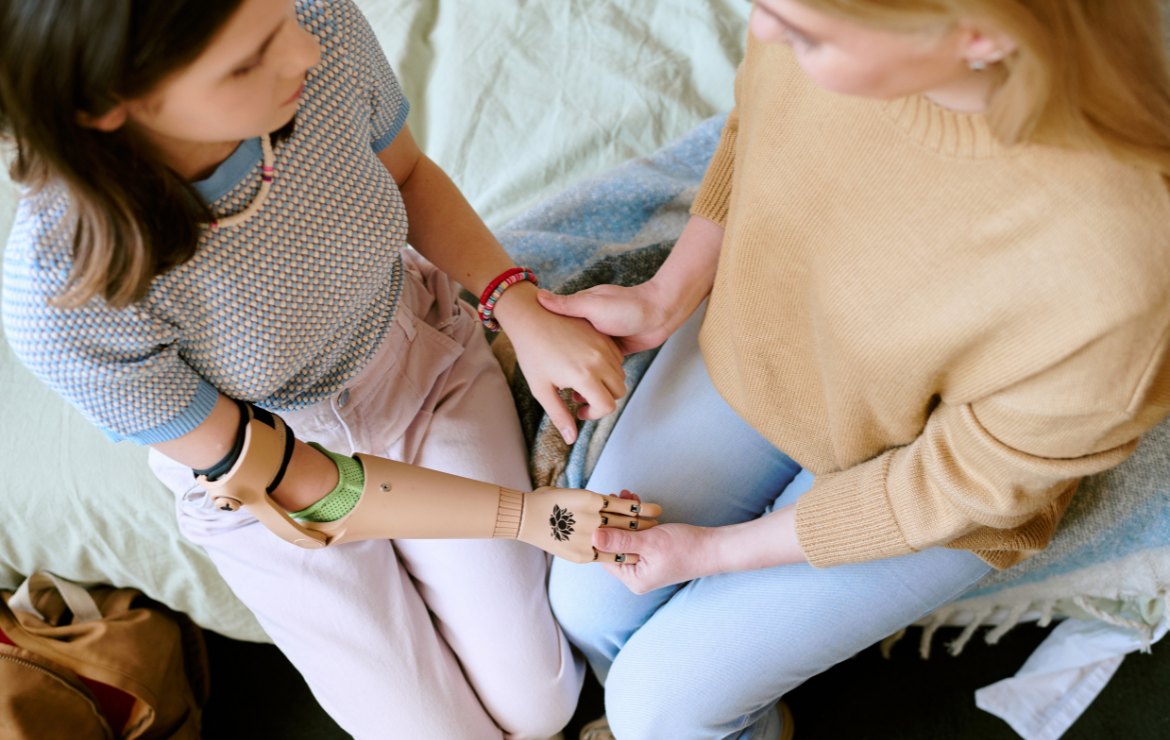
Family and Community Can Influence Recovery

For many injured workers, recovery decisions are not made alone.

Family expectations, religious beliefs, and community support systems may all influence:

  • Medical decisions
  • Prosthetic acceptance
  • Return-to-work readiness
  • Emotional adjustment

Some families become heavily involved in the recovery process, while others may encourage the injured worker to remain independent and private about their struggles.

Understanding those dynamics can help improve communication and reduce misunderstandings during a claim.

Read More

When the Body Heals Faster Than the Mind: The Hidden Timeline in Limb Loss Recovery

In workers’ compensation, timelines matter.

We track:

  • Surgery dates
  • Healing progress
  • Therapy milestones
  • Return-to-work expectations

But one part of recovery is much harder to measure:

Emotional recovery.

And in limb loss claims, that emotional timeline may not match the physical one at all.

Read More >>

Sign Up for CE Webinar Alerts >>


EVENTS

LABI June 25, 2026
Webinar
Chronic Wound Care in Workers’ Compensation
Early Intervention & Recovery Management
Register Today!
LABI

June 7 – 10, 2026
PRIMA FL Annual Conference
Fort Lauderdale, FL

View All Events

Stay Sane in the Claims Game
The Ultimate Health Update for Professionals

The Real Superpower in Workers’ Compensation? Nurses Who Can Somehow Do 47 Things Before Lunch

In workers’ compensation, there are a few universal truths.

  • Coffee disappears quickly.
  • Voicemails multiply overnight.
  • And somehow, nurse case managers always know what’s happening before everyone else does.

During Nurses Week, it’s worth recognizing something the claims industry already knows: nurses are often the calm in the middle of the storm.

  • They coordinate care.
  • Track treatment plans.
  • Translate medical jargon into real-world understanding.
  • Help injured workers feel heard.
  • And somehow manage to answer three phone calls, review documentation, schedule follow-ups, and de-escalate frustration, all while eating lunch at their desk for the third day in a row.

Let’s be honest.
If workers’ compensation were a group project, nurses would be the ones actually keeping it on schedule.

The "Unofficial" Skills of a Great Nurse Case Manager

The job description may not officially list these, but experienced claims professionals know they matter:

  • Professional mind reader
  • Part-time detective
  • Full-time problem solver
  • Scheduling magician
  • Emotional support system
  • Translator of "doctor language" into "everyone else language"

And perhaps most importantly…

The person who can somehow get a callback from a provider office when no one else can.

Why Nurses Matter More Than Ever

Today’s claims are increasingly complex. Chronic conditions, delayed recovery, behavioral health concerns, transportation barriers, and high-cost catastrophic injuries all create challenges that require coordination and communication.

That’s where experienced clinical professionals make a difference.

Good nurses don’t just help move claims forward.
They help injured workers navigate recovery with more confidence, clarity, and support.

And in many cases, they help prevent small issues from becoming very expensive problems later.

A Quick Reality Check

If you’ve ever worked in claims, you’ve probably experienced at least one of these moments:

  • A nurse catches a red flag before it becomes a crisis
  • A difficult conversation suddenly becomes productive because a nurse stepped in
  • An injured worker finally feels understood after weeks of frustration
  • A claim starts moving again because someone took the time to connect the dots

That’s not luck.
That’s experience, communication, and clinical insight in action.

Final Thought

So this month, while the healthcare world celebrates Nurses Week, the workers’ compensation industry has its own reason to say thank you.

Because behind many well-managed claims is a nurse quietly holding the entire process together, often with a headset on, 14 tabs open, and coffee that went cold two hours ago.

And honestly?
That deserves more than one week of recognition.

Point of Care
Solutions that
Meet Your Needs

MTI America's 360-degree approach to care delivers a comprehensive set of ancillary services to insurers, self-insured employers and TPAs and offers quick coordination with a quality focus.

Physical Medicine MTiRide Transportation Language
Post-Acute Care Home Health & Catastrophic Care Medical Equipment
Diagnostic Imaging Hearing Dental
Phone: 800-553-2155
Visit:
MTIAMERICA.COM
Copyright © 2026 MTI America. All Rights Reserved.